About this page...


You're now viewing the old Lundy Bird Observatory blogspot. Explore the new website for all your favourite island news and wildlife updates. If you have sightings to report, please consider sharing your observations or photographs with the Bird Obs team here.

Monday, 26 September 2022

19th to 25th September - Epic Swallow passage and more Wrynecks

Continuation of the settled weather conditions (dry and light winds) for the start of the week. Strong south westerly winds with some scattered showers on Thursday 22nd, and then more moderate winds from the north Friday 23rd and Saturday 24th before returning to calm on Sunday.

Teal continue to be seen sporadically at Pondsbury, with a high count of four on the 23rd. Water rail have also been making themselves known, with an individual ‘squealing’ in Smelly Gully 19th through 21st, and two birds recorded on the 23rd.

A flock of 13 Oystercatchers appeared by North Light on the 19th. A single Ringed Plover flew over on the 19th and 25th, a Dunlin on the 20th, Whimbrel on the 21st and another single Lapwing on the 25th over Millcombe. Snipe continued to be picked up on the morning census until a high count of four on the 21st, after which no more were recorded until two on the 25th.

A brief sea watch from the Ugly in the murky skies following the weather of the 22nd most notably picked up an Arctic Skua and four Manx Shearwater. Manx Shearwater were also recorded on the 21st and the 24th, with the highest count being seven individuals. Five gGannets were also seen from North Light on the 22nd. One Razorbill and a flock of 12 Common Scoter flew past the south west point on another short seawatch. Two Grey Heron were spotted in the landing bay on the 21st, and an individual was seen multiple times on the 22nd flying over the south of the island.

Sparrowhawk presence continues, with a high count of four birds accompanying a second fall of passerines on the 23rd after the strong south westerly winds abated. A Merlin dropped in on the 21st and 22nd, and the individual was seen right across the island. A Short-eared Owl was twice seen from Tibbetts, around dusk on the 21st and 22nd.

Merlin, Quarter Wall © Tom Wright

Higher numbers of Skylark continue with 13 on the 20th and eight on the 25th. The 23rd was a remarkable day for Swallow passage, with an estimate of 12,000 birds moving south over Lundy. Amongst the swallows were approximately 100 House Martin. High counts of 18 and 20 Sand Martin were recorded on the 19th and 23rd respectively.

Moving onto warblers, seven Willow Warbler were recorded in Millcombe on the 21st and one or two Chiffchaff were recorded most days. One Sedge Warbler was seeking the shelter around government in the moderate winds of the 23rd and a Reed Warbler was recorded on the 19th. Blackcap have been present all week, but the biggest counts have come toward the end with 52 on the 23rd and 37 on the 24th. The 25th proved to be the busiest day of the week with 76 Blackcap, 19 Goldcrest, 8 cChiffchaff, a Whitethroat, Garden Warbler and a Firecrest, that had also been identified on the 24th. Firecrest were also recorded on the 20th and one was ringed on the 23rd. A Yellow-browed Warbler was recorded by our new volunteer assistant wardens on the 19th, first at the Quarry and then calling in Millcombe. 
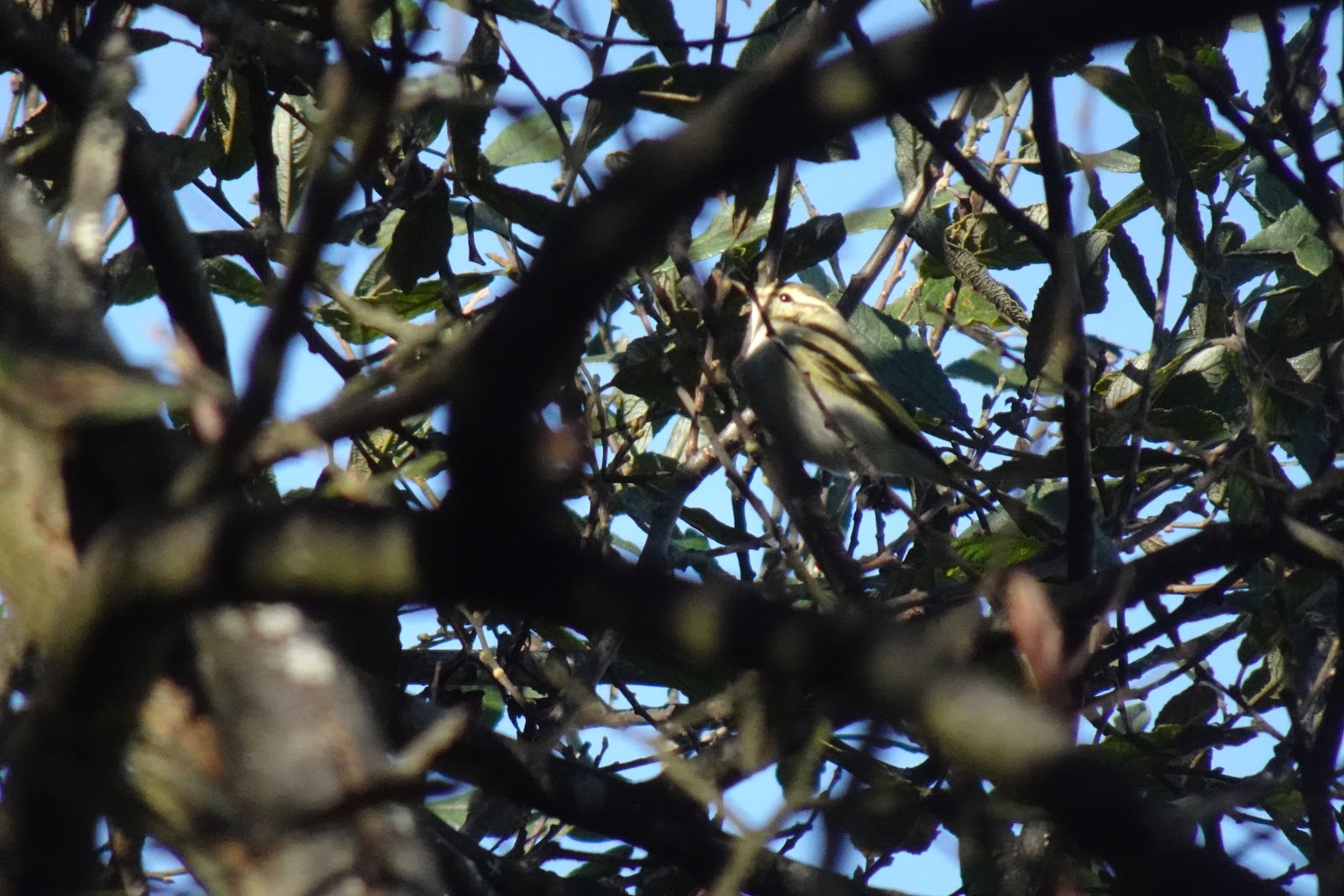
Yellow-browed Warbler, Quarries © Angus Croudace

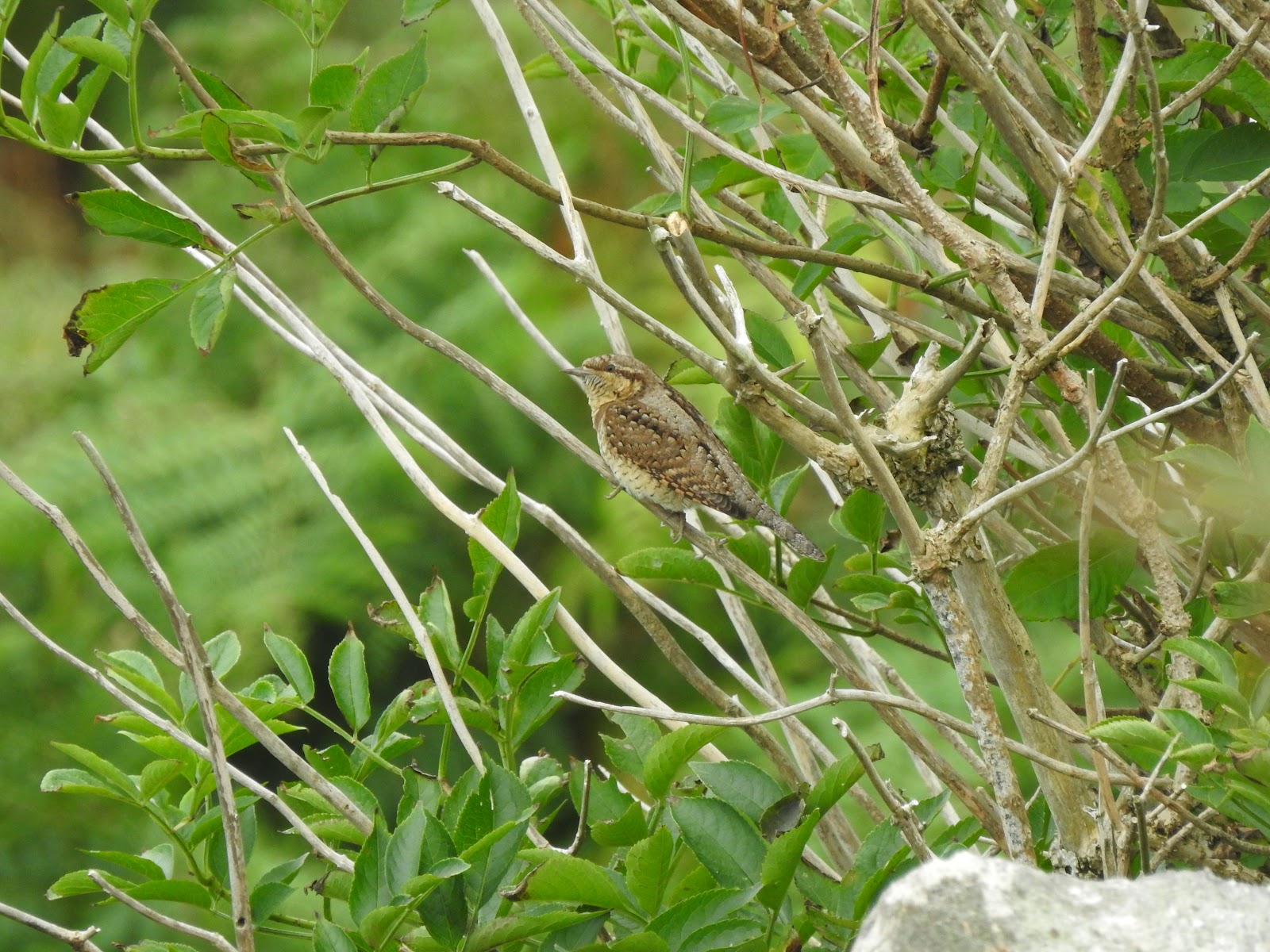
The juvenile Rosy Starling is still present on the island, most often seen on the Church Tower. On the 24th it was with a flock of 300 Starling in Lower Aerogenerator Field.  Ring ouzel were recorded in singles 19th through 21st. Wryneck were continued to be found with one on the 19th and 20th, and two simultaneously in Smelly Gully on the 21st. 

Rosy Starling, Church © Angus Croudace

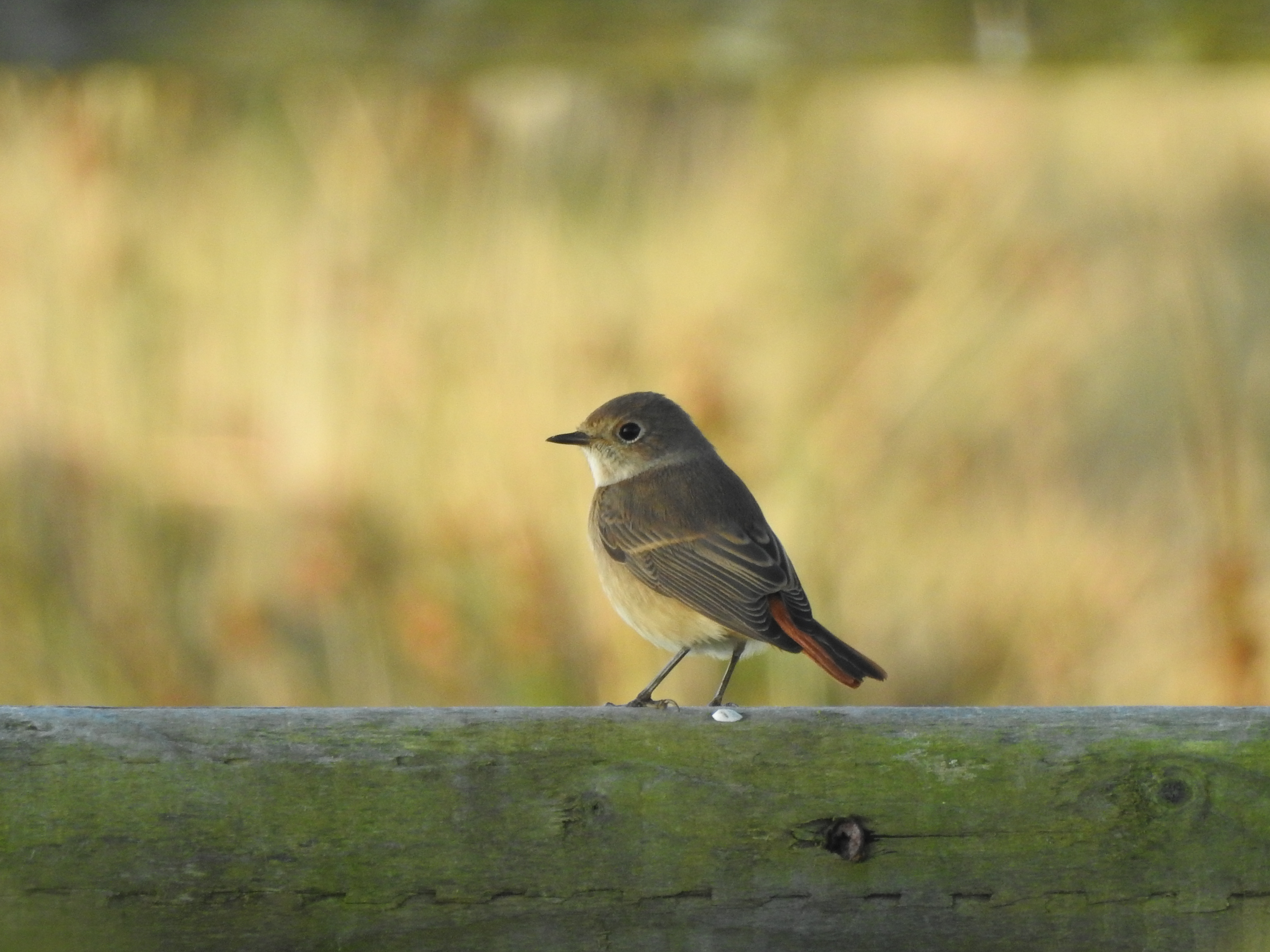
Three Spotted Flycatchers were seen on the 19th with another on the 21st. A Pied Flycatcher ringed in Millcombe on the 21st was retrapped again on the 23rd and seen again on the 24th and 25th. A Black Redstart was seen on the 23rd with a Whinchat in South West Field on the 22nd. A big influx of Robins has been noted over the last few weeks with a high count of 30 seen in Millcombe and along the Lower East on the 25th. Low number of Wheatear are still being seen with high counts of three on the 21st and 24th. 
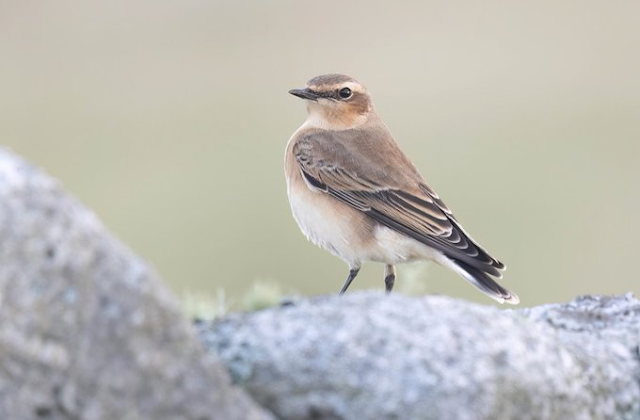
Wheatear, Old Light © Tom Wright

There was continued overhead passage of pipits and wagtails this week. Single Yellow Wagtails were recorded on the 19th, 21st and 22nd. Grey Wagtails were more common with a total of five seen or heard on the 21st, three on the 20th and 25th, two in the 23rd and singles the rest of the week. At least two Pied/White Wagtails, with a high count of five on the 24th, were heard flying over every day this week. A continental White Wagtail was confirmed in High Street Field on the 23rd. Tree Pipits are still being picked up with ones on the 20th and 22nd and three on the 21st. High counts of 200 and 150 Meadow Pipit were recorded on the 23rd and 25th respectively. 

A juvenile Hawfinch was recorded in Millcombe on the 19th and a juvenile Common Rosefinch was ringed on the 23rd. A single Siskin was recorded on the 20th as was a Lesser Redpoll.
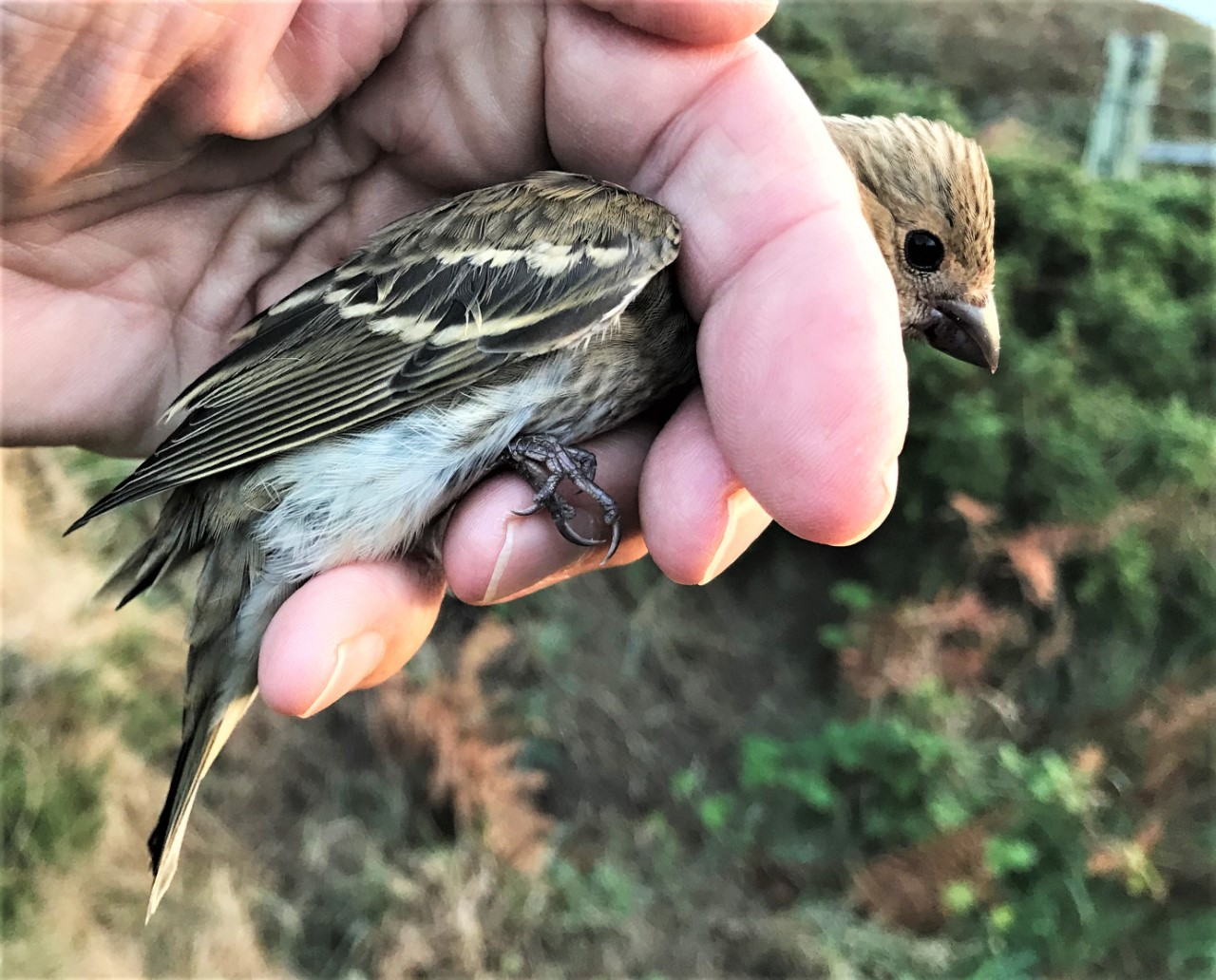
Common Rosefinch, Millcombe © Bob Medland

Hawfinch, Millcombe © Angus Croudace

Contributors: S Cossey, R Ellis, C Dee, T Wright, A Croudace, E O'Donnel, D Nadin

Monday, 19 September 2022

12th to 18th September – A busy week on the island including three Wrynecks

Strong easterly winds on Tuesday. Dry with light winds from the north for the remainder of the week.

Teal have been seen sporadically through the week with records of one on the 13th and 17th. Single Common Swift were recorded on the 15th and 17th.

Common Swift © Tom Wright

A few waders continue to pass through the island. A Lapwing was seen over Lighthouse Field on the 17th. Three Golden Plover were seen on the 12th and 15th with one ‘lamped’ and ringed in the evening. Single Golden Plover were heard on the 16th and 17th. Ringed Plover flew over on the 12th, 13th and 15th and a Curlew was seen on the 17th. Dunlin were recorded every day this week with two birds on 13th and 15th and the rest single birds. Snipe were also recorded every day this week with a max count of five on the 17th.

An Arctic Skua was seen flying over the island at Quarter Wall on the 15th. Seven Cormorant were logged on the 13th with a single also seen on the 17th. A Grey Heron was recorded on the 14th.

A Short-eared Owl was flushed from by the Stonecrusher and then seen low over South West Field before heading south by Benjamin’s Chair. On the 13th, an Osprey recorded heading south over Pennard Cliffs on the Gower at 10:30 was seen by the Castle on Lundy just 2 hours later. Three Sparrowhawks were recorded on the 15th and at least one has been seen every day this week, usually hunting around Millcombe and the Village. A Merlin was seen on the 14th and the Kestrels are also still present.

Short-eared Owl, South West Field © Stuart Cossey

Osprey, MS Oldenburg © Tom Wright

 There has been a noticeable increase in Skylark migration with high counts of eight on the 12th and 14th, including birds heard flying south. Hirundine passage has also peaked with high counts of 500 Swallows battling into the easterly winds on the 13th with 80 then roosting in the Black Shed overnight. At least 300 and 200 were counted on the 14th and 17th respectively. High counts of 30 Sand Martins and 20 House Martin were seen on the 13th with much lower numbers the rest of the week.

Swallows, Black Shed © Stuart Cossey

A big fall of warblers occurred on the 14th with a slight northerly wind following the strong easterly wind. Counts included 30 Willow Warblers, 45 Chiffchaff, 200 Blackcaps, four Garden Warblers, one Sedge Warbler, two Grasshopper Warblers, 30 Whitethroat, 10 Goldcrests, a Firecrest and a Yellow-browed Warbler.  The number of Blackcaps remained high for the rest of the week with 33 on the 15th, 29 on the 16th and 34 on the 17th. A Lesser Whitethroat was seen on the 15th. Another Yellow-browed Warbler was seen on the Terrace on the 18th.

A juvenile Rosy Starling was first seen roosting in the Black Shed with the local Starlings on the 15th. It was then seen around the Village and on the Church Tower on the rest of the week. Ring Ouzel are now moving through in larger numbers with two on the 14th and one on the 15th. A Song Thrush was seen on the 16th. Three Wryneck were seen this week. The first was on the Terrace on the 12th, another seen by Pondsbury on the 14th and the third was in Smelly Gully on the 18th. A Treecreeper was ringed in Millcombe on the 17th and seen again on the 18th.

Rosy Starling, High Street Field © Tom Wright

Ring Ouzel, Terrace © Paul Dean

Wryneck, Terrace © Stuart Cossey

Wryneck, Pondsbury © Tom Wright

Wryneck, Millcombe© Tom Wright

A high count of 20 Spotted Flycatcher were counted on the 14th with 11 on the 15th. Four were recorded on the 16th and three in the 17th. Pied Flycatcher were seen in lower numbers with four on the 12th, two on the 18th and singles on the 14th and 15th. A Common Redstart was seen on the 12th. A high count of 12 Whinchat were seen on the 14th, four on the 12th , two on the 15th and one on the 13th and 16th. An impressive 63 Wheatear, mostly Greenland race, were counted on the 14th with around 20 seen the rest of the week.

Pied Flycatcher, Millcombe © Paul Dean

Wagtails and pipits continue to be recorded flying over in the mornings. Two Yellow Wagtails were recorded on the 12th and 14th with singles on the 13th, 15th and 18th. Two flyover Grey Wagtails were heard on the 12th, 14th, 15th and 16th.  A high count of 16 Pied/White Wagtails flew over on the 15th. Three Tree Pipits flew over on the 18th, two on the 14th and 15th and ones on the 12th and 16th. A high count of 140 Meadow Pipits were counted moving over the island on the 14th.

Finch migration is slowly starting to pick up with four Chaffinches heard flying south over Millcombe on the 18th, part of eight seen. A single Lesser Redpoll was also heard over Millcombe on the 18th. An Ortolan Bunting was briefly seen with Linnets at the Stonecrusher before flying northwest and not seen again.

This week we welcomed two new volunteers, Tom Wright and Angus Croudace. Their main roles will be completing the morning bird census and monitoring the Grey Seal pups. Despite not arriving on the 13th due to rough conditions in the Landing Bay, they did enjoy views of Arctic Skua and Osprey on the crossing.

Tom and Angus trying to get to Lundy. So close yet so far...

Contributors: S Cossey, R Ellis, C Dee, B Rousseau, P Dean, T Wright, A Croudace

Monday, 12 September 2022

5th to 11th September – The first rarity of Autumn

Continued strong southwesterlies and rain until Thursday. Warm, calm and overcast from Friday.

Starting with wading birds, single Ringed Plover were heard flying over on the 9th and 10th and a Curlew on the 11th. Redshank and Turnstone were heard flying over on the 9th. A flock of 12 Dunlin were seen flying over Pondsbury on the 11th, two were on Pondsbury on the 9th and one flew over on the 10th. Snipe are getting more common in the wet areas of the island with three seen on the 11th and two on the 5th and 6th.

A 1st-year Black-headed Gull was in the Landing Bay from the 8th to the 11th. On the 8th, a pale morph Arctic Skua was seen from the MS Oldenburg approximately 10 minutes from Lundy. A Guillemot flew past the North End on the 5th along with 57 Gannets. Two Cormorant flew past Rat Island on the 6th and three flew over the Village on the 10th. Most Lesser Black-backed Gulls have now left the island, however 26 were seen around Rocket Pole Pond on the 11th.

A Merlin was recorded on the 5th and 6th. Two Kestrel and two Sparrowhawk are still present this week. Swallows continue to trickle south with no big flocks seen so far. 20 were counted on the 11th and a Sand Martin was also seen heading south.

Willow Warblers are getting less common as the majority have already reached Europe. The highest count this week was five on the 9th. 17 Blackcaps were seen on the 9th and 10 on the 10th. Single Whitethroat were seen on the 5th and 6th. Goldcrests  have been heard in Millcombe all week with the highest count of nine on the 9th. Firecrest have also been seen with one on the 5th, 6th and 8th and three on the 9th.

The Starling flock has been spectacular this week with a high count of 210 swirling over the Lambing Shed together on the 11th. Single Spotted Flycatchers were seen on the 9th and 10th and single Pied Flycatchers were seen on the 6th and 9th with at least six on the 11th. Three Whinchat were seen on the 5th and 6th, presumably the same birds remaining on the island during the strong winds. A single Whinchat was seen on the 10th. A Redstart was present on the 11th. Wheatear continue to move through the island, with most appearing to be of the larger Greenland race which breed in Greenland and Northern Canada.

Whinchat, Rocket Pole © Stuart Cossey

Single Yellow Wagtail have been recorded on the 6th, 9th and 11th, with two seen flying over on the 10th. Grey Wagtail were heard flying over the island on the 10th and 11th. The highest counts of migrating Pied/White Wagtails were 16 on the 10th, eight on the 11th and six on the 9th. Five Tree Pipits flew south on the 9th, three on the 10th and two on the 11th. The highest count of Meadow Pipits was 38 on the 11th.

There has been a small arrival of Chaffinches with seven seen around Millcombe on the 10th. Several large flocks of Linnets have been seen with a total of 90 counted on the 5th and 70 on the 10th. The bird of the week has to be a juvenile Common Rosefinch which was seen in the bottom of Millcombe Valley on the 9th.

The best of the non-avian news was a Convolvulus Hawk-moth, which was in the moth trap on the 6th. Holly Blues were seen on the 5th, 6th and 10th and two Hummingbird Hawk-moths were seen in Millcombe on the 9th and 11th. Grey Seal pups are now being born so when visiting the island please be aware around all beaches. Keep quiet and do not approach or linger by any hauled out seals or pups. 

This week we also said farewell to our long-term volunteer Zach. He has been on the island since April assisting with monitoring our seabirds and welcoming visitors at the top of Jenny’s Cove. 

Contributors: S Cossey, R Ellis, Z Wait, C Dee, B Rousseau, M and P Saul

Monday, 5 September 2022

29th August to 4th September – A busy week for migration and the earliest ever autumn Ring Ouzel

Strong winds from the north and east to start the week, though usually calming in the afternoons. A calm day on Friday before a weekend of strong southwesterlies and overnight rain.

The highest count of Mallard was 19 on the 29th split between Pondsbury and Barton Pond. A female Teal was on Pondsbury on the 4th, the first since the 10th August.

A few waders are still being seen, with the highlight being a Wood Sandpiper calling in the Landing Bay on the 30th. A Lapwing was seen in Barton Field on the 29th and a Curlew flew past South West Point on the 31st. A flock of seven Ringed Plover were picked up over South West Field on the 2nd and a single was heard on the 29th. Dunlin were present on the 31st and 2nd and Snipe are now regular by Pondsbury and the Water Tanks. A Common Sandpiper was seen near Miller’s Cake on the East Coast on the 31st. A single Green Sandpiper was on Pondsbury on the 29th and two were also there on the 31st. Single Redshank were heard in the Landing Bay on the 30th and then by South West Point on the 31st. Two Turnstone were recorded past South West Point on the 31st and two more flew over Millcombe calling on the 4th.

Green Sandpiper, Pondsbury © Stuart Cossey

As well as waders seen during a seawatch from South West Point on the 31st, there were also some more uncommon species including two Black-headed Gulls, one juvenile Common Gull and an adult Mediterranean Gull. Another Black-headed Gull was seen off the East Side in the afternoon of the 31st. Other species seen include a single Guillemot and 45 Gannets. Due to strong easterly winds on the 30th, the Oldenburg completed a round the island trip waiting for calmer conditions in the Landing Bay. A visitor reported an Arctic Skua seen close to the boat as it passed South West Point.

Two Grey Heron were seen on the 30th, one flew past Benjamin’s Chair and the other flew off Rocket Pole Pond. The male and female Sparrowhawk are still present as are the family of Kestrels. A Common Buzzard flew over the Village during the Lundy Olympics on the 29th and an Osprey was photographed flying past Gannet’s Rock on the 2nd.

Osprey, Gannet's Rock © Zach Wait

Swallows are steadily heading south with the highest daily count of 67 on the 2nd. Surprisingly, two pairs of Swallows are still feeding large young in the Casbah and Church Porch. Sand Martins were recorded on three dates, one on the 31st, eight on the 1st and then one huge flock of 70 behind the church on the 2nd. Two House Martin were seen on the 1st.

A small number of Willow Warbler were seen most days, apart from the 2nd when calm winds brought 115 to the island. A Chiffchaff was seen on the 31st. Single Sedge Warblers were seen on the 29th and 30th, with four present on the 2nd. A Reed Warbler was seen in the Willows below Government on the 2nd. Grasshopper Warblers were recorded on the 29th and 2nd. A Garden Warbler was seen on the 31st and single Blackcap were recorded on the 31st, 3rd and 4th. Five Blackcap were seen on the 2nd. Single Whitethroat were present on the 30th, 31st and 1st with four on the 2nd. The first Firecrest of autumn was seen at Rüppels Quarry on the 29th. Two more were present in Millcombe Pines on the 31st and the 4th. Goldcrest were seen on the 31st to the 3rd with a high count of three on the 2nd.

Firecrest, Ruppel's Quarry © Stuart Cossey

The earliest ever autumn Ring Ouzel was in VC Quarry on the 2nd 12 days earlier than the previous record of 15th September 2017. Female Redstart were seen around Millcombe on the 31st and 2nd . A young male Redstart present at Stoneycroft on the 2nd was also seen there on the 4th. Whinchat were common with three seen on the 29th, 2nd and 4th. Two were seen on the 31st and singles on the 30th and 1st. The highest count of Wheatear was nine on the 29th with some more obvious Greenland race birds present. Ten Spotted Flycatchers on the 2nd was the highest total. Five were seen on the 29th, seven on the 30th, three on the 31st and one on the 1st. Pied Flycatchers were naturally less common with four on the 29th, three on the 31st, one on the 1st and three (including two ringed) on the 2nd.

Spotted Flycatcher, The Terrace © Stuart Cossey

Common Redstart and Pied Flycatcher, Millcombe © Stuart Cossey

1st year male Common Redstart, Stoneycroft © Stuart Cossey

Many pipits and wagtails were recorded flying over the island. The first two Yellow Wagtails of autumn flew over South West Field on the 2nd and a Grey Wagtail flew over on the 1st. The highest counts of flyover Pied / White Wagtails were 19 on the 31st, 21 on the 1st and 18 on the 2nd. Three White Wagtails were confirmed on the 31st. Single Tree Pipits were heard flying over on the 29th, 30th, 1st and 3rd. A total of ten were heard, mostly over Millcombe, in the 2nd. There have still not been huge numbers of Meadow Pipits, the highest counts being around 30 birds in flocks of up to 20. Large flocks of Linnet have been seen across the heathland, with a total of 212 seen on the 29th and 125 on the 2nd. Two Lesser Redpoll were heard with the Goldfinches in Millcombe on the 3rd.

In non-avian news, Hummingbird Hawk-moths were seen on the 29th, 31st and 2nd. A lot of migrant moths have been recorded this week including Rush Veneer, Dark-sword Grass, Turnip moth, Pearly Underwing, Pale Mottled Willow, Silver Y and two new for the island, Archer’s Dart and Feathered Gothic. The latter was not in the moth trap but photographed by Alice the Tavern Manager on the bar of the Marisco. A large Bottlenose Dolphin was off the East Coast on the 31st and a small pod of Harbour Porpoise on the 1st.

Feathered Gothic, Marisco Tavern © Alice Waterfield

Contributors: S Cossey, R Ellis, Z Wait

Monday, 29 August 2022

22nd to 28th August – Winds from the northeast bring more migrants

Bright and mild with winds from the north and northeast. Strong winds from the east towards the end of the week. Low cloud and fog on the 26th.

There has been a slight increase in the number of Woodpigeon with nine seen on the 25th. A Collared Dove was seen on the 28th and as expected with the Bank Holiday, five Racing Pigeons were seen on the 27th with another three on the 28th. A lone Swift was seen feeding with Swallows over Millcombe on the evening of the 24th.

There are still waders passing over the island with Ringed Plover on the 22nd, 26th, 27th and 28th. A single Whimbrel was recorded on the 22nd, with another calling over Ackland’s Moor with two Curlew on the 24th. A flock of four Dunlin and an individual were seen on the 27th with further singles on the 24th, and 28th. Snipe were seen over South West Field on the 24th, 25th and 27th. A Common Sandpiper was heard on the 27th and a Greenshank was calling below Smelly Gully on the 22nd.

 wo Grey Heron were seen coming in from the East on the 22nd. At least one Sparrowhawk is still regularly being seen along with the pair of Kestrel. The majority of Skylark have now left the island with only a single bird being seen all week. Flocks of Sand Martin were seen on the 22nd, 24th and 27th with 12, nine and eight seen respectively. There has been an obvious increase in the passage of Swallows with a high count of 65 on the 24th. Three House Martin were seen on the 27th.

The variety of warbler species is now increasing as more head south. Willow Warblers are becoming less common but there was a high count of 40 on the 24th.  Also on the 24th were ten Chiffchaff, two Sedge Warbler, a Garden Warbler, two Whitethroat and a Goldcrest. Two Grasshopper Warblers were seen on the 27th. Single Blackcap were seen on the 26th and 28th with three on the 27th. A total of six Whitethroat were seen on the 27th.

Flycatchers are still quite common with 13 Spotted Flycatchers on the 24th and seven on the 27th being the highest counts of Wh. Single Pied Flycatchers were seen on the 23rd, 24th and 28th with two present on the 22nd. The highest count Wheatear was 11 on the 25th with nine seen on the 24th and 27th. A Black Redstart was seen by Halfway Wall on the 22nd and a Whinchat was present on the 27th.

Whinchat, South-West Field © Stuart Cossey


A Grey Wagtail flew over calling on the 27th along with an increase in alba Wagtails. A flock of five White Wagtails were seen on the 25th and six on the 27th. Flyover Pied/White Wagtails have been regular since the 25th with a few being seen in the fields and around the Village. The coarse ‘sphiz’ flight call of Tree Pipits have been heard all week with five on the 22nd, three on the 23rd, four on the 25th, two on the 26th, seven on the 27th and nine on the 28th.  There has also been an increase in Meadow Pipit migration with a number of bigger flocks seen, including 38 on the 26th. On the 28th five Common Crossbill flew south over Millcombe calling, the first time this species of finch have been seen this year.

In non-avian news 6+ Common Dolphin were in the Landing Bay. Hummingbird Hawk-moth were seen on the 24th, 26th and 27th.

Damp Blackbird during low cloud on the 26th © Stuart Cossey

Contributors: S Cossey, R Ellis, Z Wait, T and A Taylor

Monday, 22 August 2022

15th to 21st August – Slow but steady migration

Mild with winds from the southwest. Many days were overcast or with periods of rain and low cloud.

Waders continue to be seen or heard around the island. Ringed Plover and Whimbrel were recorded on four dates this week. There was a max count of three Ringed Plover on the 16th, two flew over South West Field and another was seen over the Airstrip. A Black-tailed Godwit was seen flying over Halfway Wall with four Whimbrel on the 21st. A Curlew was present on the 16th and was calling around the Village for most of the morning before heading west. Single Dunlin were recorded on the 15th, 17th and 21st. Snipe on the 16th and 21st and two Common Sandpiper on the 18th. A Redshank was also heard calling over Ackland’s Moor on the 15th. 

Dunlin, Pondsbury © Stuart Cossey

A Black-headed Gull was seen sheltering by Rat Island on the 16th and a juvenile Yellow-legged Gull was feeding in Tillage Field with a large flock of gulls on the 17th. A single Cormorant flew past the Landing Bay on the 16th and three flew over the West Coast on the 19th. The Sparrowhawk first seen on the 12th was joined by a second on the 17th with a male and female were seen fighting in Millcombe Woods on the 19th. Occasional small flocks of Swallows are being seen moving south with 14 recorded on the 17th and 23 on the 19th. No Sand or House Martins were noted this week.

Willow Warblers continue to be seen, mostly within Millcombe Valley. A max count of 38 were seen on the 17th with only two and three seen on the 20th and 21st respectively. A Chiffchaff was seen on the 21st and the first Goldcrest of autumn was in Millcombe Pines on the 15th. Sedge Warblers were recorded on four days, though mostly being seen around Pondsbury. Whitethroat were more common with a max count of six on the 19th. Singles were seen on the 15th, 16th and 20th with two on the 17th. Blackcap were seen on the 17th and 21st.

Pied and Spotted Flycatchers were seen most days with five Spotted Flycatchers on the 19th. Three Pied Flycatchers were present on the 18th, two on the 15th and singles on the 17th, 19th and 21st. Numbers of Wheatear are dropping off with the first black day on the 16th – the first since April. There have been occasional days of Tree Pipit migration with two heard on the 15th, one on the 17th and 11 on the 18th. The numbers of Meadow Pipit have also picked up with 63 on the 21st, including two flocks of 20+.

Linnet and Goldfinch numbers fluctuate with 93 Linnets recorded on the 15th and 104 on the 16th. Only five Linnets were heard or seen on the 21st. Goldfinch numbers peaked at 25 on the 17th and 21 on the 15th. Towards the end of the week nine were regularly seen around Millcombe.

Linnets, Old Light Track © Stuart Cossey 

In non-avian news, seven Harbour Porpoise, including two calves, were seen from Benjamin’s Chair on the 18th. A Hummingbird Hawk-moth was seen on the 21st and a Convolvulus Hawk-moth -on the 19th. 38 species of moth were trapped on the 16th including a new species for the island, Oblique Carpet. There were also a few migrant moths such as Bordered Straw and Rush Veneer. On the 19th a Canary-shouldered Thorn was trapped, the only confirmed record since 1907!

Canary-shouldered Thorn, Millcombe © Stuart Cossey

Bordered Straw, Millcombe © Stuart Cossey

Oblique Carpet, Millcombe © Stuart Cossey

Contributors: S Cossey, R Ellis, Z Wait, T and A Taylor, J Coomes, A McCarthy

Monday, 15 August 2022

8th to 14th August – First arrival of Flycatchers

A warm week with days starting calm and northeasterly winds picking up towards the afternoon. Temperatures reached a peak of 28.1° on the 14th.

A large group of around 90 Swifts were seen feeding on flying ants over Castle Hill on the 10th. Smaller groups were seen the rest of the week apart from the 13th. A Cuckoo flew through Millcombe on the morning of the 12th pursued by the local Swallows. Two Stock Dove were reported on the 11th.

Waders were often heard flying over the island during the mornings. Golden Plover were heard on the 9th and 10th, Ringed Plover on the 12th and 14th and a Curlew on the 8th. A Dunlin was heard on the 9th and then one was on Pondsbury on the 14th. Three Snipe were around Pondsbury on the 8th, 4 on the 10th and three on the 14th. A Common Sandpiper was by Rat Island on the 14th and two Green Sandpipers were by Pondsbury.

A Sandwich Tern was seen briefly on the 11th as it flew past Rat Island. Three Cormorant flew over Millcombe on the 9th and a Grey Heron was at the North End on the 11th. A Sparrowhawk was seen around Millcombe on the 12th and then by Tillage Field on the 13th. A female/immature Marsh Harrier flew over Barton Field on the 8th and a female/immature Hen Harrier headed south over the Castle on the 13th.

Small groups of hirundines were seen this week with a max count of 10 Sand Martins on the 8th and 11th. A high count of 42 Swallows was seen on the 14th and 13 House Martins on the 9th.

Willow Warblers were still being seen in good numbers this week. 62 were counted on the 12th and at least 120 were seen on the 14th. Single Chiffchaff were seen on the 8th, 10th and 13th with two on the 9th. Two Blackcap were ringed on the 14th. The first Garden Warblers of autumn were seen with one on the 13th and two on the 14th. Low numbers of Sedge Warbler and Whitethroat were seen every day.

A single Spotted Flycatcher was first seen on the 9th with a peak of 10 seen on the 12th. Pied Flycatchers first arrived on the 10th with a high count of six on the 14th. Flycatchers were not only seen in Millcombe but quite often sitting on walls or fence lines across the south of the island. A female Redstart was by Quarter Wall on the 9th and a Whinchat in South West Field on the 13th. A high count of 31 Wheatear were seen on the 13th with most seen around the airstrip and Ackland's Moor.

Female Redstart, Quarter Wall © Stuart Cossey

Wheatears, Ackland's Moor © Stuart Cossey

Pied Flycatcher, Water Tanks © Stuart Cossey

Spotted Flycatcher, Quarter Wall © Stuart Cossey

Three Tree Pipits were heard flying over on the 12th and 13th with a single on the 14th. A Greenfinch was reported in Millcombe on the 12th and two Siskins flew over on the 14th.

In non-avian news, a Basking Shark was reported off the Castle on the 14th. Two Common Pipistrelle were picked up on a bat detector on the 11th. One at Quarry Pond and the other in Millcombe. Two Hummingbird Hawk-moths were seen on the 12th and another on the 14th. There was an excellent moth trap haul on the morning of the 14th with over 200 moths of 42 species.

Contributors: S Cossey, R Ellis, Z Wait, M and J Webber